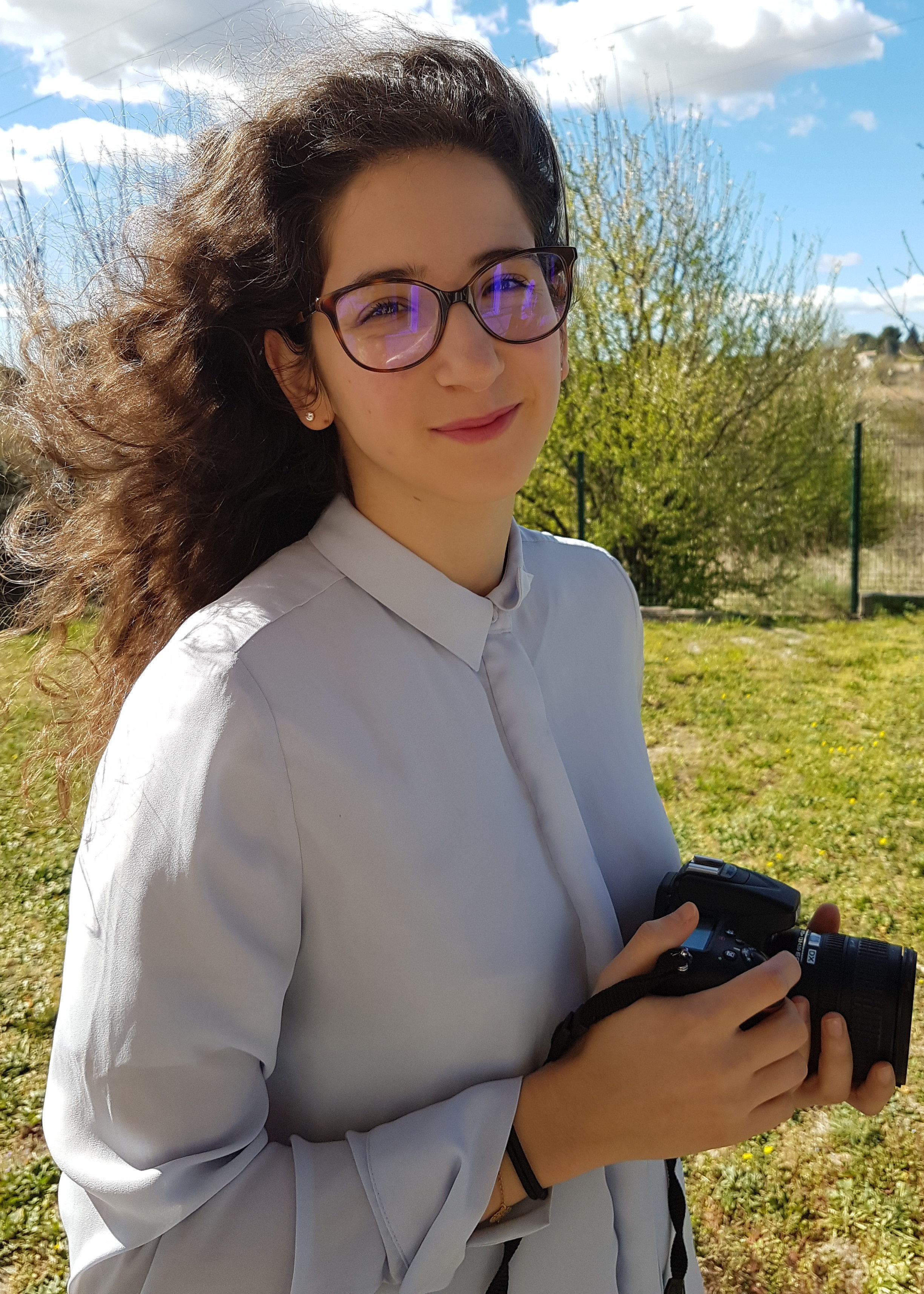
Hello,This is me!

Alex Learning Photography

Learn about photography Improve your photos Together and step by step

13 Feb 2019

Beginner photographer - the exposure triangle : Aperture/ Shutter Speed/ ISO


Hello ! 
Welcome to you on my blog, here is my first article and I hope you will enjoy it, have a good reading! 😊


Before taking beautiful pictures worthy of a great photographer, you must learn to master your camera. It's not the most exciting thing, but I assure you, you have to go through these first technical articles to understand your camera.


I advise you to bring your camera and your 
instruction manual with you when reading this article in order to directly put into practice what you learn. 

The exposure triangle

First of all, what is the exposure? Exposure is the quantity of light that enters your camera. The concept is simple: the more light enters, the brighter your photo will be, the less light enters, the darker your photo will be.


Properly exposed photo:


Underexposed photo:

Learn photography, photography, improve your photos, beginner in photography, beginner photography blog, beginner photography blog, beginner photography blog, blog to learn photography, exposure, exposure triangle, motion blur, aperture, diaphragm, shutter speed, ISO, sensor sensitivity, light sensitivity, camera, learn to use a camera, camera technology, depth of field, Light, sharpness, grain, digital noise


Overexposed photo:

Learn photography, photography, improve your photos, beginner in photography, beginner photography blog, beginner photography blog, beginner photography blog, blog to learn photography, exposure, exposure triangle, motion blur, aperture, diaphragm, shutter speed, ISO, sensor sensitivity, light sensitivity, camera, learn to use a camera, camera technology, depth of field, Light, sharpness, grain, digital noise


The cameras offer an integrated exposure metering system represented as follows on your camera's display:

Learn photography, photography, improve your photos, beginner in photography, beginner photography blog, beginner photography blog, beginner photography blog, blog to learn photography, exposure, exposure triangle, motion blur, aperture, diaphragm, shutter speed, ISO, sensor sensitivity, light sensitivity, camera, learn to use a camera, camera technology, depth of field, Light, sharpness, grain, digital noise

This indicator will help you to better expose your photos.


To change the quantity of light entering the camera, you will need to modify the 3 technical parameters that make up the exposure triangle:
  • The shutter speed
  • The opening of the diaphragm
  • The ISO

Shutter Speed:

The shutter speed, or exposure time, is expressed in seconds or fractions of a second (1/100 s, 1/500 s, 1/1000 s...).
The faster the speed, the less time the light will have to enter the camera. The slower the speed, the more time the light will have to enter the camera.
Speed influences both brightness and movement.


Learn photography, photography, improve your photos, beginner in photography, beginner photography blog, beginner photography blog, beginner photography blog, blog to learn photography, exposure, exposure triangle, motion blur, aperture, diaphragm, shutter speed, ISO, sensor sensitivity, light sensitivity, camera, learn to use a camera, camera technology, depth of field, Light, sharpness, grain, digital noise


At a speed of 1/100s the light will enter ten times more than at 1/1000s. However, be careful, a too low speed can cause blurring.

Speed will allow you to make a motion blur. Be careful that your camera DOES NOT MOVE ( you may need a tripod, for example).


Learn photography, photography, improve your photos, beginner in photography, beginner photography blog, beginner photography blog, beginner photography blog, blog to learn photography, exposure, exposure triangle, motion blur, aperture, diaphragm, shutter speed, ISO, sensor sensitivity, light sensitivity, camera, learn to use a camera, camera technology, depth of field, Light, sharpness, grain, digital noise
Shutter speed: 1/10s


Learn photography, photography, improve your photos, beginner in photography, beginner photography blog, beginner photography blog, beginner photography blog, blog to learn photography, exposure, exposure triangle, motion blur, aperture, diaphragm, shutter speed, ISO, sensor sensitivity, light sensitivity, camera, learn to use a camera, camera technology, depth of field, Light, sharpness, grain, digital noise
Shutter speed: 1/500s

The aperture

In each lens, there is a circular diaphragm that manages the quantity of light to pass through. The opening is written with a f followed by a slash and a number: f / 2.5.
The aperture works a bit like the shutter speed. The more you open the lens diaphragm, the more light will enter, and vice versa.  Note that the smaller the number, the larger the opening.
The aperture affects both the brightness and the sharpness of the images.


Learn photography, photography, improve your photos, beginner in photography, beginner photography blog, beginner photography blog, beginner photography blog, blog to learn photography, exposure, exposure triangle, motion blur, aperture, diaphragm, shutter speed, ISO, sensor sensitivity, light sensitivity, camera, learn to use a camera, camera technology, depth of field, Light, sharpness, grain, digital noise


ISO

The ISO is the third pole of the exposure triangle. ISO is the sensitivity level of your camera to light. It is quantified in number: ISO 100, ISO 200, ISO 400.....
When you are at ISO 100, your sensor is quite insensitive. To increase the exposure, you can, therefore, increase the ISO. When you switch from ISO 200 to ISO 400, you double the quantity of light that enters the camera. It's very simple!
This parameter is used to manage the quantity of light without affecting the speed and aperture, which can be interesting when light conditions are low. But be careful, the choice of ISO has an impact on the quality of the image. With a high ISO, you will notice digital noise on your images, which will alter the details of your photo.


Learn photography, photography, improve your photos, beginner in photography, beginner photography blog, beginner photography blog, beginner photography blog, blog to learn photography, exposure, exposure triangle, motion blur, aperture, diaphragm, shutter speed, ISO, sensor sensitivity, light sensitivity, camera, learn to use a camera, camera technology, depth of field, Light, sharpness, grain, digital noise

A summary in one picture


Learn photography, photography, improve your photos, beginner in photography, beginner photography blog, beginner photography blog, beginner photography blog, blog to learn photography, exposure, exposure triangle, motion blur, aperture, diaphragm, shutter speed, ISO, sensor sensitivity, light sensitivity, camera, learn to use a camera, camera technology, depth of field, Light, sharpness, grain, digital noise
Image by Peta Pixel


Take the time to practice in order to master these three parameters. Be aware that a beautiful photo is not necessarily a well exposed photo! If you are looking to transcribe dark emotions or a cinematographic atmosphere then don't hesitate to under-expose your photos.

Have fun and express your creativity!😊

0 comments:

Post a Comment

About me

Hello

I'mAlexia

I learn photography with you

As a beginner photographer, I would like to share with you my progress as a photographer, both technically and artistically. This blog was born from the desire to progress together, step by step, in order to overcome the constraints that exist to the realization of beautiful pictures! Here, as little technical jargon as possible for a better understanding. I share with you, my experiences, what inspires me, what I learn, whether by practicing or synthesizing information that I find everywhere. This blog is dedicated to learning so don't hesitate to contact me or react to my posts so that we can learn photography together!

SEND ME A MESSAGE

Powered by Blogger.